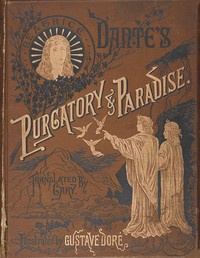
The Divine Comedy by Dante, Illustrated, Purgatory, Complete by Dante Alighieri
If you thought Dante's journey ended with a frozen Satan in Hell, think again. Purgatory is where the real work begins. Guided by the Roman poet Virgil, Dante emerges into the light of a new dawn at the foot of a colossal mountain. This isn't a place of eternal damnation, but of hopeful, painful correction. The mountain is divided into seven terraces, each dedicated to cleansing one of the seven deadly sins. Here, souls willingly endure hardships that mirror their earthly failings. The proud are bent double under heavy stones, the envious have their eyelids sewn shut, and the lustful walk through walls of fire. But they do this with a sense of purpose, singing hymns and looking forward to the day they can ascend to Paradise.
The Story
The story follows Dante and Virgil as they climb. On each terrace, they meet souls who tell their stories and explain their punishments. It's less about horror and more about conversation and reflection. Along the way, Dante confronts his own flaws and learns about love, free will, and repentance. The journey gets more intense as they near the top. Virgil, a symbol of human reason, can only take Dante so far. To enter Earthly Paradise at the summit, Dante needs a new guide: Beatrice, his lost love, who represents divine grace. Her arrival is one of the most powerful moments in literature, setting the stage for the final ascent to Heaven.
Why You Should Read It
For me, Purgatory is the most human and relatable part of the Divine Comedy. Hell is fascinating but static. Paradise can feel distant. Purgatory is about struggle, growth, and the belief that we are not stuck being who we were. The souls here aren't monsters or saints; they're just people, like us, trying to be better. The illustrations in this edition are a game-changer. They help you visualize these bizarre, beautiful scenes—the sculpted walls, the angelic ferryman, the burning ring—making a 700-year-old poem feel immediate and stunning.
Final Verdict
This is the perfect entry point for anyone curious about classic literature but intimidated by epic poetry. The illustrated Purgatory is for the thoughtful reader who loves big ideas about life, morality, and second chances. It's for anyone who's ever wondered if change is truly possible. It’s less of a scary theological text and more of a profound, hopeful adventure story. If you've ever wanted to tackle Dante, start your climb here.
This publication is available for unrestricted use. Preserving history for future generations.