
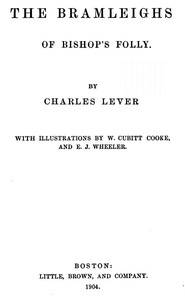
The Bramleighs of Bishop's Folly by Charles Lever
Let's set the scene: It's the mid-1800s, and the Bramleigh family has left England for a fresh start in Ireland. Their new home, Bishop's Folly, is as grand in name as it is troublesome in reality. Augustus Bramleigh, the father, is a man whose ambitions are constantly tripped up by a massive lawsuit hanging over the family's fortune. Without clear ownership of their wealth, they're living in a beautiful bubble that could pop at any moment.
The Story
The plot follows the Bramleighs as they navigate this shaky foundation. It's a character-driven comedy of manners and money. We see Augustus trying to maintain dignity while the legal wheels grind. His children, from the earnest to the extravagant, chase their own dreams and disasters—love interests, social climbing, and personal schemes—all under the shadow of potential financial ruin. The "folly" isn't just the estate's name; it's a running theme in their choices. The tension doesn't come from a murder or a ghost, but from the very relatable fear of losing your place in the world and the funny, often poignant, ways people cope with that stress.
Why You Should Read It
Don't let the 19th-century setting fool you. Lever writes with a sharp, satirical eye that still lands today. The Bramleighs feel like a family you might know—full of good intentions, silly arguments, and deep-down affection. Lever pokes fun at social pretense and the absurdities of the landed gentry without being mean. He makes you care about these flawed people. The dialogue crackles with wit, and the Irish backdrop adds a wonderful layer of cultural clash and charm. It's a story about identity, pride, and what we cling to when the ground feels unstable.
Final Verdict
This book is perfect for anyone who loves a smart, character-rich family saga. If you're a fan of Jane Austen's social observations but wish they had a bit more Irish zest and legal trouble, you've found your next read. It's also great for historical fiction readers who want something lighter than a war epic, but with just as much heart. Think of it as a long, satisfying visit with a fascinating, slightly dysfunctional family—you'll be sad to leave Bishop's Folly when the last page turns.
Legal analysis indicates this work is in the public domain. It is now common property for all to enjoy.






Margaret Davis
6 months agoHaving followed this topic for years, I can say that the nuanced approach to the central theme was better than I expected. If you want to master this topic, start right here.